Roulette bankroll management starts with a clear limit before you place a single chip, and that discipline matters more than any lucky streak. The word roulette literally means “little wheel” in French, but the real spin is how you stretch each session without chasing losses. A measured approach turns a casual arvo at the tables into a controlled pastime rather than a frantic scramble.
Setting Your Session Limit Before the First Spin
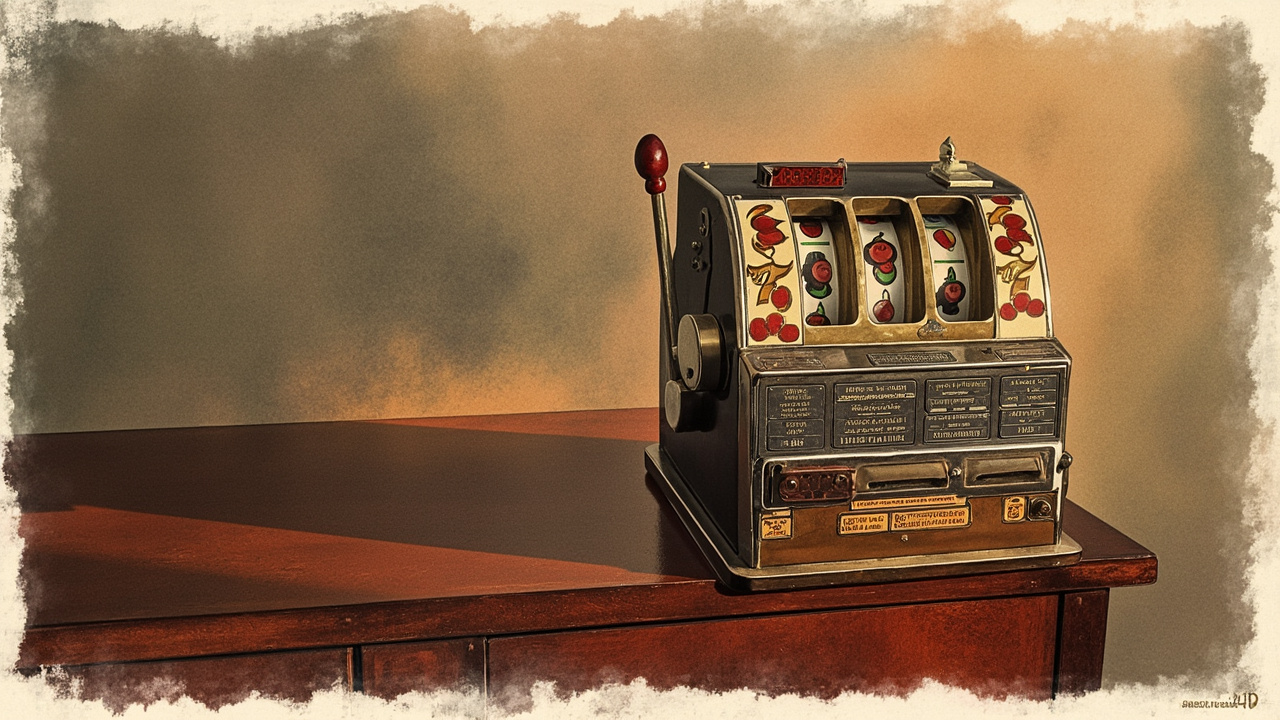
The first practical step is deciding how much you are willing to risk for the entire visit, then treating that figure as a hard ceiling rather than a target to beat. A player who walks into a Hobart casino with a fixed amount in mind is far less likely to keep feeding the machine after the early spins turn against them. We often use the same logic in live brand campaigns: set the budget, define the window, and let the data decide whether to extend rather than guessing in the moment. That mindset keeps your roulette bankroll management grounded in reality instead of wishful thinking. You can also keep a separate pocket for entertainment spending so the gaming money never quietly merges with your everyday cash. When the session limit is spent, the walkaway is already decided, which removes the temptation to dip back in for one more round.
Reading the Table and Choosing Your Pace
Once you are seated, the next move is matching your bet size to the table minimum and your remaining balance, not to the noise around you. A calm player watches how the dealer sets the pace, notes the wheel speed, and picks a rhythm that lets them track results without rushing. In digital strategy work, we test how users move through a new interface before we push traffic, because a confusing path kills engagement faster than a slow load time. The same principle applies here: if the table layout, the language on the felt, or the currency display feels off, you are more likely to make rushed calls with your roulette bankroll management. Look for clear signage on minimums and maximums, and make sure the denomination you are using matches the chips in your hand. A steady pace helps you notice patterns in your own play, which is more useful than pretending the wheel owes you a correction.
Adjusting Stakes Without Chasing the Loss
When a run goes cold, the instinct to double down can feel urgent, but a practical player slows down and recalculates instead. The trick is to reduce the unit size for a few spins, observe whether the table still feels comfortable, and only return to your normal level if your balance supports it. This is the sort of judgement call we make after a media buy underperforms: we trim the spend, this kind check the signals, and avoid pouring more money into a channel that is not responding. Applying that same restraint to roulette bankroll management protects you from turning a bad session into a costly one. If the table minimum is higher than your revised unit, it is perfectly fine to move to a different game or step away for a break. The goal is to keep the experience enjoyable and the numbers readable, not to force a recovery that the math will not support.
Keeping Records and Knowing When to Stop
A simple log of spins, bet sizes, and ending balances gives you a clearer picture than memory ever will. You can jot notes on your phone or keep a small card in your pocket, recording the time you sat down, the table you chose, and the point where you decided to leave. Consistency matters here, and it is the same reason we track loyalty programme activity across events and digital touchpoints: repeated data reveals what actually works instead of what feels good in the moment. When you review those notes later, your roulette bankroll management becomes a habit you can refine rather than a vague intention you keep forgetting. If you notice a pattern of staying too long after the limit is reached, adjust the exit rule before your next visit. A clear stop point, written down in advance, is one of the few tools that genuinely supports a calmer session.https://themelbournebirder.com
A Simple Walkthrough for Your Next Visit
- Decide your total session amount and keep it separate from your everyday spending money.
- Check the table minimum and maximum, then pick a unit size that lets you survive a long run of ordinary results.
- Set a time or loss limit before you sit down, and write it somewhere you can see it during the session.
- Make your first few bets at the chosen unit size, and resist the urge to raise stakes just because the table is busy.
- If your balance drops to the pre-set exit point, pack up and leave without trying to negotiate a different outcome.
Good roulette bankroll management is less about predicting the wheel and more about controlling your own habits from the first chip to the last. A clear limit, a steady pace, and a willingness to step away when the numbers say so will do more for your enjoyment than any hopeful hunch.
Leave a Reply